Hire Purchase on a Small Electric Van
How Hire Purchase works on a small electric van, what the deposit covers, and what to check before you sign.
Hire purchase small electric van deals let a business spread the cost of a new electric van over fixed monthly payments and own it outright at the end. You pay a deposit upfront, make the monthly payments, and the van is yours once the agreement is complete. Here is how it works, what the deposit covers and which small electric vans suit a trade or small fleet.
The short version
- Hire Purchase means you own the van at the end of the agreement.
- The minimum deposit is the VAT on the van, which is 20% of the price before VAT.
- Many funders want a minimum advance of about £25,000, so cheaper small vans can be harder to fund for sole traders.
- VAT-registered businesses can usually reclaim the VAT on the van. Check with your accountant.
- Average delivery is 10 to 14 working days from signed documents.
How hire purchase on a small electric van works
With Hire Purchase you choose a new van, pay a deposit and then make fixed monthly payments over the term. When the last payment is made, the van is legally yours. There is no sale at the end and no handing it back.
That makes it the straightforward route for a business that wants to keep the van for years, run it into the ground and not worry about mileage or condition limits. It is a different thing from Contract Hire, which is a fixed monthly rental where the van goes back at the end and you never own it. We cover that further down.
What is the deposit on a Hire Purchase electric van?
The minimum deposit is the VAT on the van, which is 20% of the price before VAT. That deposit is the VAT on the van, so the VAT is dealt with at the start rather than spread across the monthly payments.
If your business is VAT registered, you can usually reclaim that VAT, which takes a good bite out of the cash you need at the start. Whether you can, and when, depends on how you use the van, so speak to your accountant. Capital allowances or other tax relief may also apply, and the same advice goes: check with your accountant before you commit.
The minimum deposit is the VAT on the van. For a VAT-registered business, that is usually money you can claim back.
Who owns the van at the end?
You do. Once the agreement is paid off, the electric van belongs to your business. You can keep running it, sell it or trade it in. Until then the funder holds the van as security, which is normal for this kind of finance.
A note for sole traders on cheaper small vans
Many funders want a minimum advance of about £25,000, though it varies from funder to funder. That can rule out some of the cheaper small vans for sole traders, a Citroën Berlingo for example. A small electric van at the lower end of the price range may simply fall under what a funder will lend on.
If that is you, tell us what you are looking at when you get in touch. We can talk through which funders and which models make sense, and whether a different way of paying would suit better.
Small electric vans worth a look
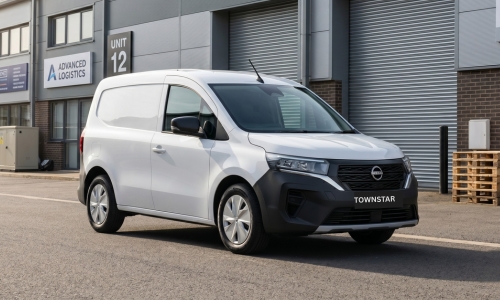
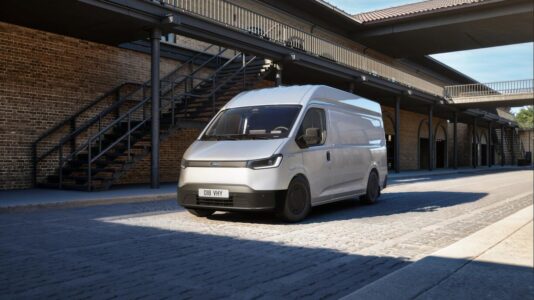
For a compact electric van that does a proper day's work, the Nissan Townstar electric van is a sensible all-rounder for trades and delivery work. The Farizon SV is another to consider if you want more load space with a modern electric drivetrain. Both are available as new vans from UK stock or due in, with a selection of our current deals on the vans page.
Think about your daily mileage, where you will charge and what you carry before you pick. A van that suits your round on one charge will make electric far less hassle. Our guide to the best electric vans for 2026 goes through the options in more detail.
Other ways to get a small electric van
Hire Purchase is not the only route. A Finance Lease can suit a VAT-registered business that wants to reclaim the VAT on rentals, with the van sold at the end and most of the proceeds coming back to you. Buying outright suits those paying cash. Contract Hire is a fixed monthly rental where the van goes back at the end and you do not own it, so it is not our usual recommendation, but it is available if you want fixed costs and no ownership.
| Route | Who owns the van at the end? | Upfront cost |
|---|---|---|
| Finance Lease | Van is sold, you usually get most of the proceeds | Usually lower |
| Hire Purchase | You do | Deposit of at least the VAT, 20% of the price before VAT |
| Outright Purchase | You do, straight away | Full price |
| Contract Hire | No, the van goes back | Usually lower |
What we'd do
Work out your daily mileage first
Pick the van on the real distance you cover in a working day, not the best-case range figure. Leave some margin for cold weather and a full load.
Plan where you will charge
A home or yard charger makes electric far cheaper and easier to live with. Sort this before the van arrives.
Ask your accountant about VAT and allowances
VAT-registered businesses can usually reclaim the VAT on the van, and capital allowances may apply. Get it confirmed for your own situation.
Tell us your budget early
With many funders wanting a minimum advance of about £25,000, it helps to know your budget and van before we start.
Questions people ask
Can I get a small electric van on Hire Purchase?
Yes. Hire Purchase is available on new electric vans, including small ones. You pay a deposit, make fixed monthly payments and own the van at the end. Funder minimums vary, so the van you choose and your circumstances will affect what is on offer.
How much deposit do I need for Hire Purchase on an electric van?
The minimum deposit is the VAT on the van, which is 20% of the price before VAT. If your business is VAT registered you can usually reclaim that VAT. Speak to your accountant about your own position.
Do I own the electric van at the end of Hire Purchase?
Yes. Once you have made all the payments under the agreement, the van belongs to your business. You can keep it, sell it or trade it in. There is no hand-back and no mileage limit to worry about.
Can a sole trader get Hire Purchase on a cheap electric van?
It can be harder. Many funders want a minimum advance of about £25,000, though it varies. That can limit sole traders looking at cheaper small vans such as a Citroën Berlingo. Get in touch and we will talk through what is realistic.
How long does delivery take?
Average delivery is 10 to 14 working days from signed documents. Vans are supplied from UK stock, due-in stock or factory build slots, and delivered UK-wide.
Need a van? Talk to us.
Want a small electric van on Hire Purchase? Browse our new van deals, then get a quote or call us on 01656 511789 and we will talk it through with you.